
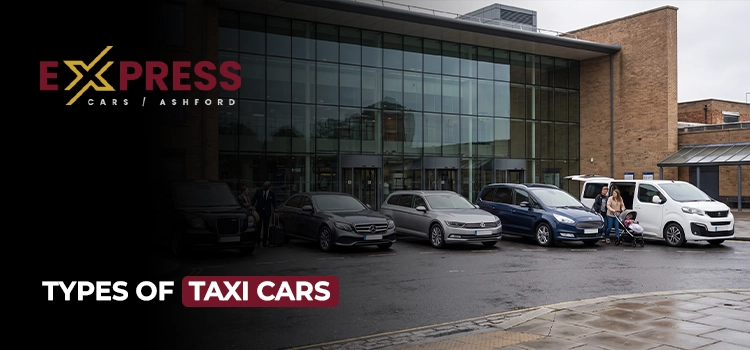
Booking a taxi seems simple until the dispatcher asks which car you need. Saloon, estate, MPV or executive? Each one affects your comfort, luggage space and the final fare. This guide explains the types of taxi cars on UK roads, so you can book the right one the first time.
Understanding Taxi Fleet Vehicle Options
Most operators run a mixed fleet rather than a single model. Knowing the taxi fleet vehicle options in advance lets you match the car to the trip instead of accepting whatever turns up.
Reputable taxi services usually sort their vehicles into four groups: saloons, estates, MPVs and executive cars. Each suits a different mix of passengers, bags and budget.
Standard Taxi Car Types Used
This guide to standard taxi car types starts with the everyday vehicles you will see most often. Knowing what each one does well saves you from paying for space you won’t use.
Saloon Cars
The saloon is the workhorse of the industry. Think Toyota Prius, Skoda Octavia or Ford Mondeo, all common on UK private hire fleets.
Most of them seat up to four passengers and carry a couple of suitcases in the boot. They are the cheapest option and ideal for short local hops.
Estate Cars
Estate taxi cars, if explained simply, are saloons with the roof extended backwards. That gives a much larger, more flexible boot, while the passenger area stays much the same.
A saloon and an estate usually carry the same number of people. The difference is cargo. If you are travelling with prams, golf clubs or large cases, check the taxi luggage capacity before you book.
MPV and People Carriers
Multi purpose vehicles such as the Ford Galaxy or Toyota Sienna seat five to seven people. Larger eight seaters exist too, though bags then compete for space with the last row.
Sliding doors and higher seating make them easy to get in and out of. That suits families, older passengers and anyone with limited mobility.
Minibuses
For eight to sixteen passengers, a minibus is the only sensible choice. Weddings, airport runs and corporate outings are the typical bookings.
Fares are higher, but split between a full group and the cost per head often drops below two separate cars.
Executive and Luxury Saloons
Mercedes E Class, BMW 5 Series and Audi A6 vehicles sit at the top of most fleets. They seat three or four passengers in leather, with quieter cabins and a smoother ride.
Drivers are usually dressed formally and trained for a more discreet service.
Affordable vs Premium Taxi Cars
The affordable vs premium taxi cars question mostly comes down to what you value on the day. A standard saloon gets you from A to B reliably, while a premium car adds refinement.
Luxury vs standard taxi cars differ less in safety than in finish, space and service. Both are licensed and insured, so you are paying for the experience.
| Vehicle | Passengers | Luggage | Best for |
| Saloon | Up to 4 | 2 medium cases | Local trips, solo travellers |
| Estate | Up to 4 | 3 to 4 large cases | Holidays, bulky items |
| MPV | 5 to 7 | 3 to 5 cases | Families, small groups |
| Minibus | 8 to 16 | Varies by size | Large groups, events |
| Executive | Up to 4 | 2 to 3 cases | Business, special occasions |
Comfort Features of Taxi Cars
Comfort features of taxi cars vary more than people expect. Here’s what you will most definitely find in standard vehicles:
- Air conditioning
- USB charging points
- Clean upholstery
Executive cars go further, offering:
- Leather seats
- Extra legroom
- Tinted rear windows
- Complimentary water
- Child seats on request
Choosing the Right Taxi for Your Journey
Each journey calls for a different vehicle, which fits your passenger and luggage requirements. While choosing the right car, it’s also important to take into account the occasion, whether you’re heading off for a routine trip or a special event.
Family Travel
Taxi vehicle options for families depend on the number of children and how much kit comes with them. A five or six seat MPV handles car seats and pushchairs far better than a saloon.
Group Travel
Taxi car types for group travel range from a seven seater MPV for friends to a full minibus for a wedding party. Count passengers and bags first, then choose the smallest vehicle that fits everyone comfortably.
Business Travel
Business travel calls for premium taxi car options, which usually means an executive saloon. You get a quiet cabin for calls, space to work and a driver who arrives on time.
Airport Transfers
Luggage matters most here. Pre booked airport taxis in an estate or MPV avoid the stress of bags that won’t fit at the kerb.
Conclusion
The right taxi comes down to three questions: how many people are travelling, the number of bags and suitcases and how much comfort you want. Answer those and the choice becomes straightforward.
Book the vehicle that fits your trip rather than the cheapest one on offer. A little planning means a smoother, calmer ride from pickup to drop off.
CTA
Looking to Book the Right Vehicle for Your Upcoming Trip?
Get in touch with Express Cars Heathrow. Choose the right vehicle from our extensive fleet and travel with ease.
Frequently Asked Questions
What cars do taxis use in the UK?
Most use saloons such as the Toyota Prius, Skoda Octavia and Ford Mondeo. Larger fleets add estates, MPVs, minibuses and executive models from Mercedes, BMW and Audi.
What is the difference between a saloon and an estate taxi?
Both carry about four passengers. The estate has a longer body and a much bigger boot, which makes it better for heavy luggage.
Which taxi car type is best for airport transfers?
An estate or MPV is usually safest, because airport journeys involve the most luggage. A saloon works fine if you are travelling light.
How many passengers can different taxi types accommodate?
Saloons, estates and executive cars carry up to four people. MPVs take five to seven, and minibuses can accommodate eight to sixteen passengers.
Are executive taxis more comfortable than standard taxis?
Generally, yes. They offer more legroom, higher quality seats and a quieter ride, though standard taxis are perfectly comfortable for short trips.
What taxi type is best for business travel?
An executive saloon is the usual pick for business travel. It combines comfort, privacy and a professional image.
Are MPV taxis suitable for long distance journeys?
Yes. Their roomy cabins and supportive seating suit long trips well, particularly with several passengers or plenty of luggage.